Prices at a glance
| Size / type | Typical price | Range |
|---|---|---|
| 100Ah lead-acid/gel/AGM | KSh 8,500 | 4,199 – 34,500 |
| 150Ah lead-acid/gel/AGM | KSh 10,500 | 6,169 – 46,000 |
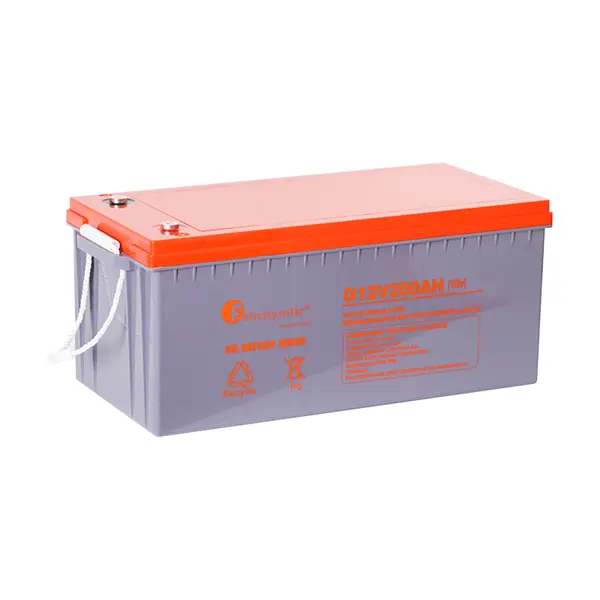
| 200Ah lead-acid/gel/AGM | KSh 21,499 | 8,739 – 50,000 |
12V batteries. Brand drives most of the spread. Prices are approximate and vary by brand and seller.
| Size / type | Typical price | Range |
|---|---|---|
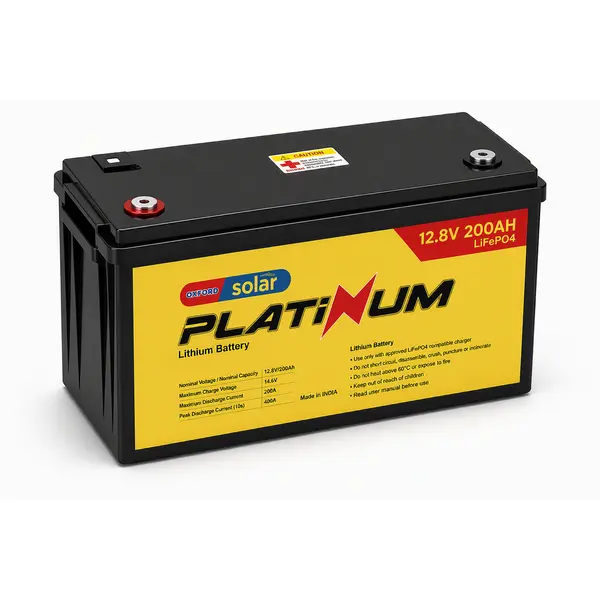
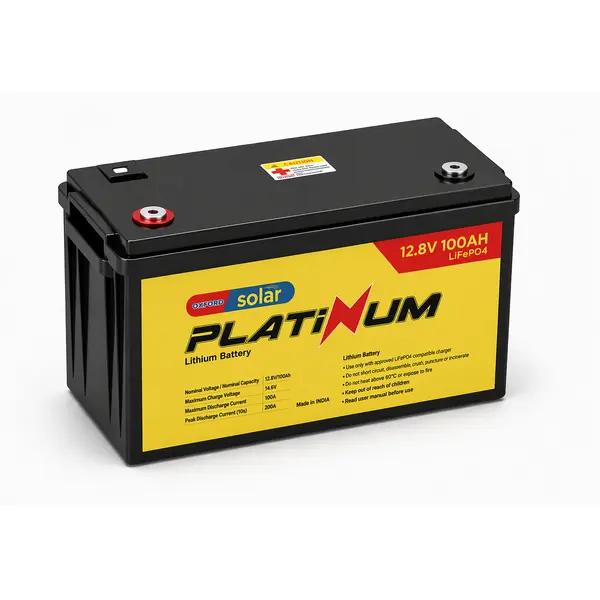
| lithium ~1.3kWh (12V 100Ah) | KSh 25,599 | 22,999 – 104,055 |
| lithium ~2.5kWh | KSh 41,899 | 34,999 – 199,500 |
| lithium 3.3-3.8kWh | KSh 59,045 | 41,500 – 195,000 |
| lithium ~5kWh | KSh 110,000 | 73,000 – 460,000 |
| lithium ~7.7kWh | KSh 189,999 | 148,000 – 425,500 |
| lithium ~10kWh | KSh 195,000 | 110,000 – 631,900 |
| lithium 15-16kWh | KSh 277,250 | 227,450 – 851,900 |
12V 100Ah is about 1.3kWh; 48V packs of about 5kWh and 10kWh are the usual home sizes. Prices are approximate and vary by brand and seller.
Solar batteries in Kenya and their prices
Approximate prices:
- 100Ah gel or lead-acid: typically about KSh 8,500 (from about KSh 4,200 to KSh 34,500)
- 150Ah gel or lead-acid: typically about KSh 10,500 for budget units; branded 150Ah batteries cost about KSh 20,000 to 30,000
- 200Ah gel or lead-acid: typically about KSh 21,500 (from about KSh 8,700 to KSh 50,000)
- Lithium 12V 100Ah (about 1.3kWh): typically about KSh 25,600
- Lithium about 2.5kWh: typically about KSh 42,000
- Lithium about 5kWh: typically about KSh 110,000
- Lithium about 10kWh: typically about KSh 195,000
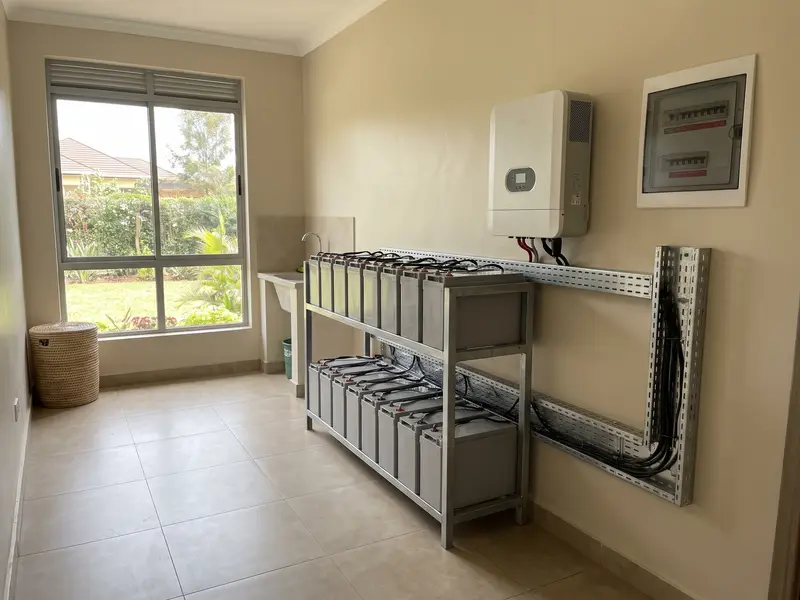
Prices are for the battery alone. Cables, a battery fuse or breaker, a rack and installation are extra.
Price of a 200Ah solar battery, and how to spot a fake one
The 200Ah battery is the most searched size in Kenya, and the one where buyers get caught most often. Unbranded "200Ah" batteries sold cheaply online go for about KSh 9,000 to 10,000, while known brands of tubular and gel batteries cost about KSh 20,000 to KSh 50,000.
A battery at half the normal price is very often not the capacity on its label. Warning signs:
- Too light. A real 12V 200Ah lead-acid battery is very heavy. If it is easy to lift with one hand, the capacity is not real.
- Too small. Compare its size with a known-brand 200Ah battery in the same shop.
- No brand, no datasheet, no warranty. A good battery comes with a datasheet showing capacity, cycle life and the depth of discharge the cycle life was measured at.
- A huge crossed-out price. Judge the sale price against the typical figures here, not against the crossed-out one.
A battery that holds half its stated energy leaves you in the dark by midnight and strains your inverter and panels.
What about 400Ah, and brands like Sunnypex or Starmax?
Single 400Ah batteries are uncommon. A 400Ah bank at 12V is normally built from two 200Ah batteries joined in parallel, so budget for two good 200Ah batteries, or consider a 24V or 48V lithium pack of similar energy instead. A 12V 400Ah bank stores about 4.8kWh on paper, close to a 5kWh lithium pack.
For budget brands such as Sunnypex or Starmax, check the capacity claims carefully and compare the price with the 100Ah and 200Ah rows above.
Gel or lithium: which costs less over time?
Lithium costs roughly three times as much as a gel battery of the same amp-hours: about KSh 25,600 for a 12V 100Ah lithium battery against about KSh 8,500 for a 100Ah gel one.
But you can safely use most of a lithium battery each night, against about half of a lead-acid one, and lithium is usually rated for many more cycles. If you cycle the battery every day, the cost per year often favours lithium. If the battery mostly sits full as KPLC backup, a good gel or tubular battery can be the cheaper choice. See lithium solar batteries and solar batteries for more.
From battery price to system price
The battery is one part of a working system. You also need panels, an inverter and charge controller, protection and installation. For a figure you can budget with, see solar system prices.
Ask the seller to state whether VAT is included in the quote.