What it costs
| Size / type | Typical price | Range |
|---|---|---|
| DC submersible ~250-300W kit (with panel) | KSh 18,999 | 14,724 – 72,300 |
| DC submersible ~250-300W, pump only | KSh 9,400 | 5,499 – 45,000 |
| submersible 370-800W | KSh 37,995 | 14,500 – 164,000 |
| submersible 1-2.2kW | KSh 87,500 | 29,990 – 505,000 |
| Lorentz PS pump systems (pump+controller) | KSh 195,300 | 64,125 – 989,888 |
| solar pumping inverters (VFD) | KSh 101,750 | 29,900 – 745,000 |
| submersible (power not stated) | KSh 13,999 | 5,499 – 78,999 |
Panels, borehole cable, pipes and installation are extra unless the row says kit. Prices are approximate and vary by brand and seller.
How a solar borehole pump works
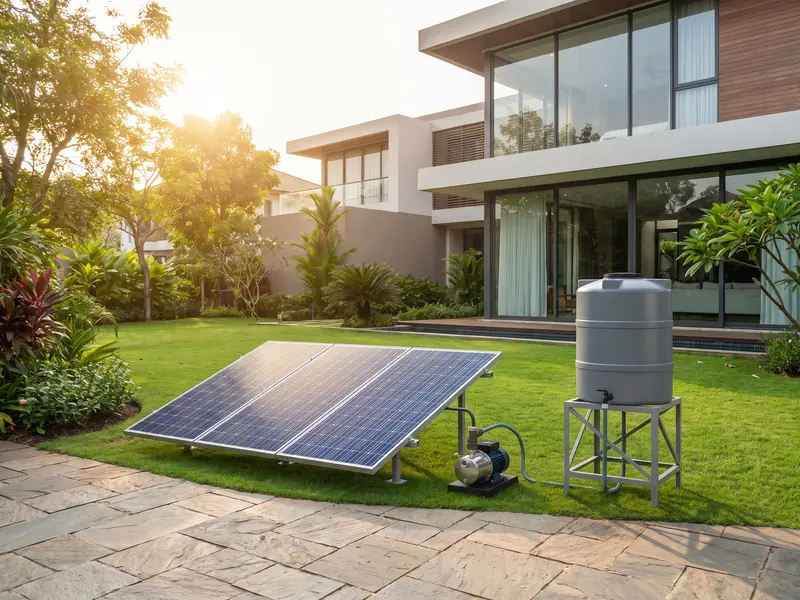
A submersible pump hangs down the borehole below the water level and pushes water up the rising pipe to a tank. On solar, the panels power the pump directly through a controller or a pumping inverter. The pump runs while the sun shines and fills a raised tank, which then supplies the house, animals or farm by gravity. No battery is needed in most systems: the tank stores water instead of electricity.
A submersible is the right choice when the water is more than about 7 metres below ground, beyond what a surface pump can pull. For shallow sources see the main solar water pumps guide.
Types of solar submersible pump
- Small DC submersibles (about 250 to 300W). Usually 24V, sold alone or as a kit with a panel. They suit a household or a few animals from a shallow borehole or well. Typically about KSh 9,400 for the pump or KSh 19,000 as a kit.
- AC submersibles with a solar pumping inverter. A standard borehole pump of 370W to 2.2kW or more, driven by a pumping inverter (VFD) that runs it from panels. A common route for farms, schools and estates, and for converting an existing borehole pump to solar.
- Engineered solar pump systems. Purpose-built pumps with matched controllers, such as Lorentz PS systems. They cost more but come with full sizing data, dry-run protection and remote monitoring options.
Sizing a borehole solar pump
An installer needs these numbers before recommending a pump:
- Borehole depth and the water level, both resting and when pumping. The pump must sit below the pumping level.
- Total head: from the pumping water level to the top of the tank, plus an allowance for pipe friction.
- Daily water need in litres or cubic metres.
- Borehole yield: how much water the borehole can give an hour. A pump bigger than the yield will run it dry.
From these the installer reads the pump's performance curve, chooses the pump and sizes the panels. Get the borehole drilling report out: it usually has the depth, water levels and test yield.
Borehole solar water pump prices in Kenya
Approximate prices:
- Submersible 370 to 800W: about KSh 38,000
- Submersible 1 to 2.2kW: about KSh 87,500
- Solar pumping inverter (VFD): about KSh 102,000
- Lorentz PS pump system: about KSh 195,000, from about KSh 64,000 to nearly KSh 1 million for the largest
On top of the pump you pay for panels and their frame, borehole cable, safety rope, rising pipe, a float switch or water-level sensor, the tank and stand, and labour. See solar water pump prices for every pump type.
Protecting your pump and borehole
Most borehole pump failures come from running dry, sand and voltage problems. A good controller or pumping inverter protects against dry running and over-current, and a level sensor stops the pump before the water drops below it. Ask for these in the quote. A secure, fenced panel array also matters on farms and institutions.
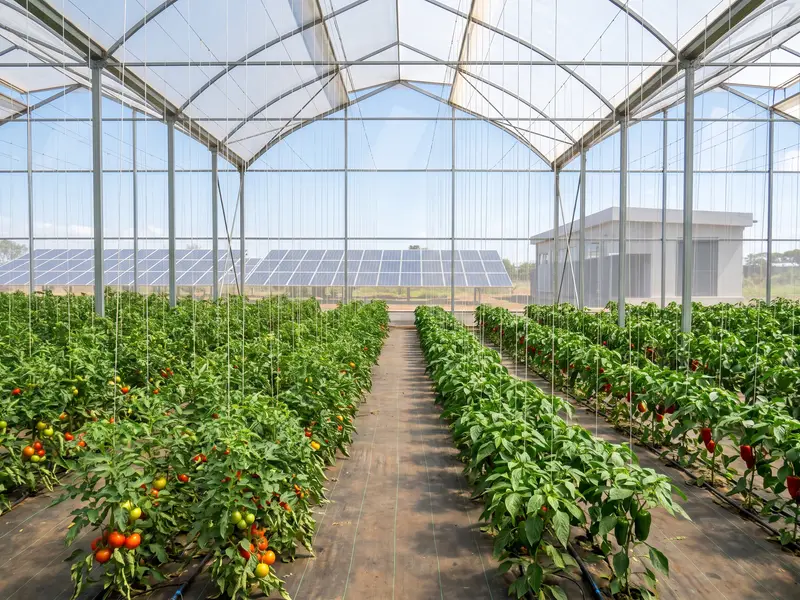
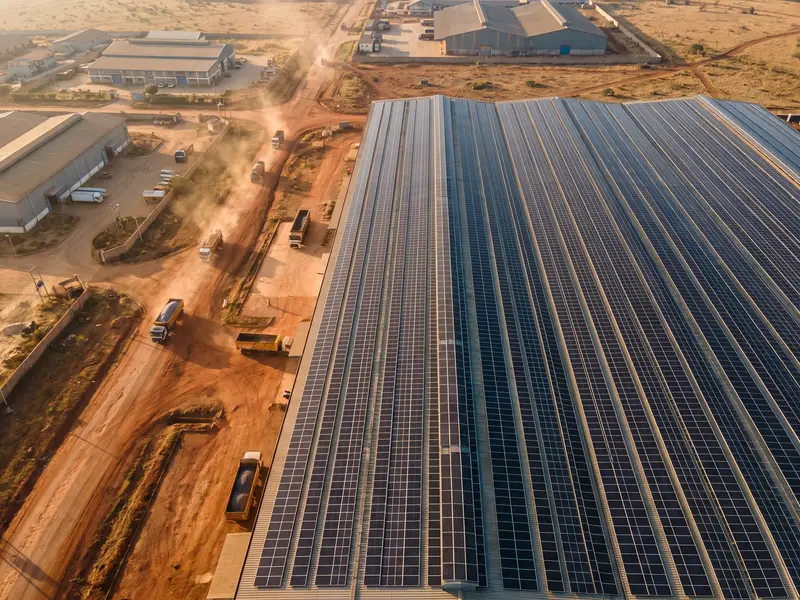
For schools, hospitals, flower farms and estates with bigger pumps, see commercial solar. For drip and sprinkler systems fed from a borehole, see solar irrigation.