Prices at a glance
| Size / type | Typical price | Range |
|---|---|---|
| 50W | KSh 2,550 | 1,200 – 3,800 |
| 100W | KSh 3,428 | 2,374 – 8,400 |
| 150W | KSh 4,605 | 3,325 – 15,510 |
| 200W | KSh 5,440 | 3,324 – 14,000 |
| 250W | KSh 5,249 | 4,220 – 17,500 |
| 300W | KSh 7,500 | 4,400 – 21,000 |
| 330-350W | KSh 9,675 | 6,219 – 17,250 |
| 400W | KSh 7,999 | 6,290 – 17,999 |
| 450W | KSh 9,849 | 6,499 – 27,887 |
| 500-550W | KSh 11,688 | 7,499 – 28,000 |
| 600W+ (565-720W) | KSh 12,760 | 6,840 – 24,999 |
Panel only. Prices are approximate and vary by brand and seller.
What a 1000W solar panel costs in Kenya
There is no standard single 1000W solar panel. Panels sold online that claim it, usually at about KSh 10,000, are overrated. What people mean by a 1000W panel is 1000W (1kW) of panels, made up of two or more modules.
At typical prices:
- 2 x 500–550W panels: about KSh 23,500.
- 3 x 330–350W panels: about KSh 29,000.
- 10 x 100W panels: about KSh 34,000, and far more roof space and wiring.
So 1kW of panels typically costs roughly KSh 20,000 to 24,000 when you buy large panels. Mounting, cable and installation are extra.
100W and 120W solar panels
A 100W solar panel typically sells for about KSh 3,400, roughly KSh 2,400 to KSh 8,400. It is the classic size for a small DC system: a few LED bulbs, phone charging, a radio and a small DC TV, with one 100Ah battery.
A 120W panel is less common. Expect it to sit between the 100W and 150W prices; a 150W panel typically sells for about KSh 4,600.
In good sun, a 100W panel gives very roughly 400 to 500 watt-hours a day. That depends on the weather, the tilt and whether anything shades it.
300W and 330W solar panels
A 300W solar panel typically sells for about KSh 7,500, ranging from about KSh 4,400 to KSh 21,000. Panels of 330–350W typically sell for about KSh 9,700. Most panels of that size are branded modules from specialist solar shops, which is why they cost more than both the 300W and the 400W sizes; compare panels of the same brand, not just the watts.
A solar panel for 300 watts is a good fit for a mid-size DC system or a small inverter system. Two or three of them with a 1kVA inverter and a 200Ah battery will run lights, TV, decoder, a laptop and a fridge for part of the day, depending on the fridge.
400W to 600W+ panels for homes and businesses
Large panels are where the value is:
- 400W: typically about KSh 8,000.
- 450W: typically about KSh 9,800.
- 500–550W: typically about KSh 11,700.
- 600W and above: typically about KSh 12,800.
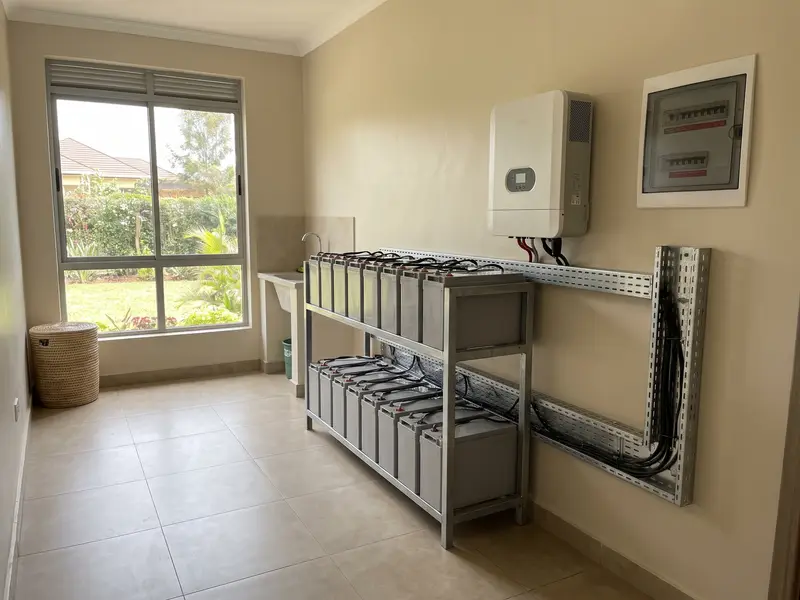
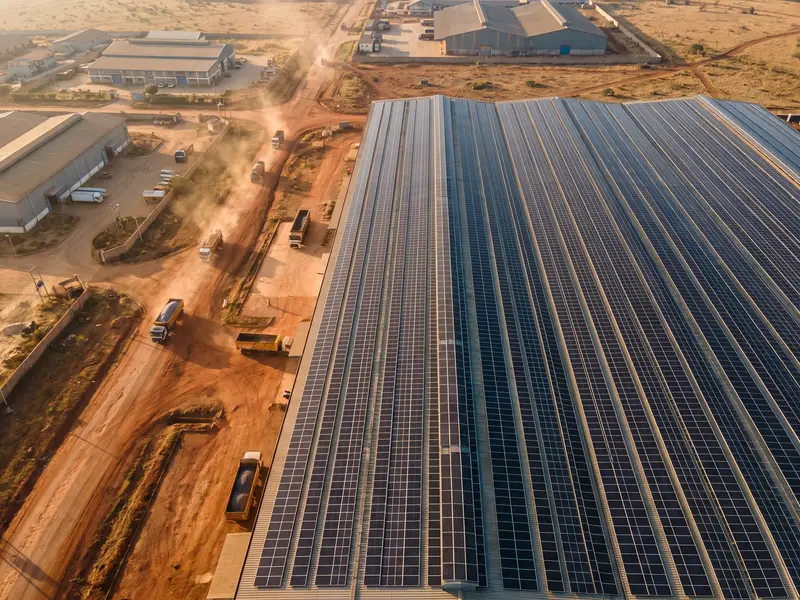
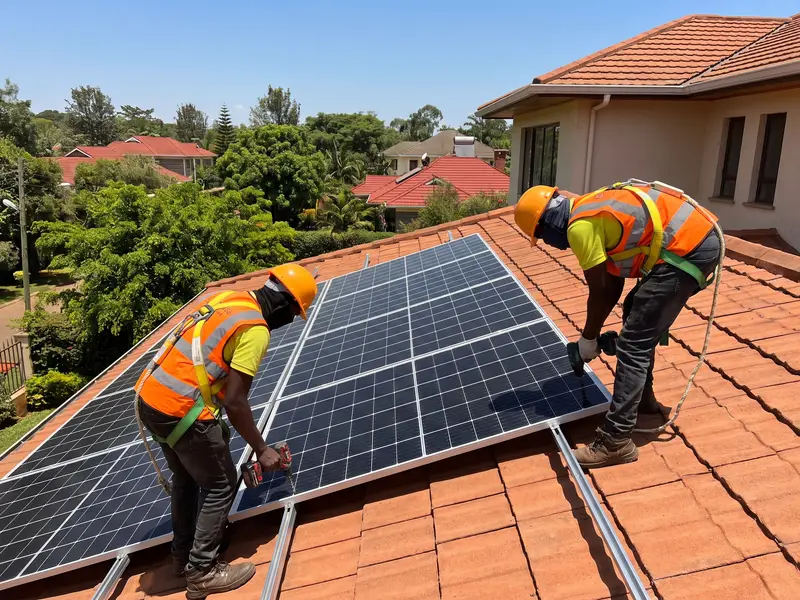
These are the panels most installers now use for 3kVA, 5kVA and bigger systems. They are physically large (a 550W panel is typically over 2 metres long) and heavy, so they need proper rails and two people to lift. Their voltage is also higher, so they must be matched to an MPPT charge controller or a hybrid inverter that can take it.
Will the panels fit your roof?
Panel size in watts goes with physical size. As a rough guide:
- 100W: about 1 metre long and half a metre wide. Easy for one person to carry.
- 300–350W: roughly 1.6 to 1.7 metres long and 1 metre wide.
- 450–550W: typically over 2 metres long and about 1.1 metres wide, and around 25 to 30 kg.
Check the datasheet for the exact dimensions before you buy, then measure the usable part of your roof, leaving space around the edges and avoiding shade from tanks, chimneys and trees. On a small or broken-up roof, several mid-size panels can fit better than a few large ones, even at a slightly higher price per watt.
Matching panel size to your battery and controller
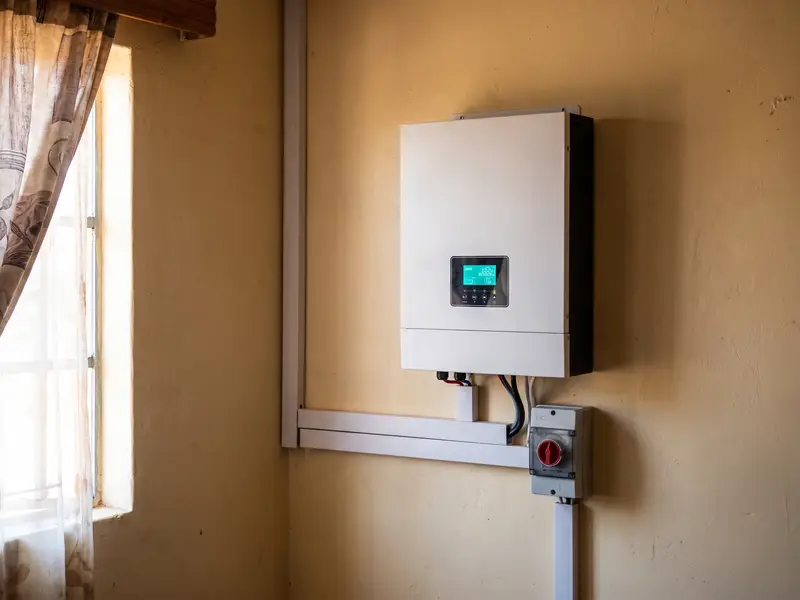
Solar photovoltaic (PV) panels are rated in watts, but the system cares about voltage too. Small 12V panels (up to about 150W) suit a 12V battery and a cheap PWM controller. Large panels of 400W and above have much higher voltages and need an MPPT controller or a hybrid inverter with a wide input range.
Before buying, check:
- The panel's open-circuit voltage (Voc) against the controller's maximum input.
- The total watts against the controller's rated current at your battery voltage.
- That your battery bank is big enough to store what the panels produce.
Our solar calculator gives a first estimate of how many panels you need.