What it costs
| Size / type | Typical price | Range |
|---|---|---|
| 1kVA hybrid | KSh 19,799 | 15,490 – 33,000 |
| <1kVA (DC-AC/small) hybrid | KSh 18,500 | 12,900 – 18,720 |
| 1.5kVA hybrid | KSh 24,500 | 19,000 – 35,000 |
| 2kVA hybrid | KSh 34,000 | 19,999 – 90,000 |
| 3kVA hybrid | KSh 52,750 | 25,000 – 199,500 |
| 4kVA hybrid | KSh 47,110 | 38,940 – 69,000 |
| 5-6kVA hybrid | KSh 90,328 | 36,500 – 450,000 |
| 8-12kVA hybrid | KSh 195,000 | 82,500 – 598,500 |
| >12kW (commercial) hybrid | KSh 507,500 | 119,000 – 1,750,000 |
Prices are approximate and vary by brand and seller.
How a hybrid solar inverter works
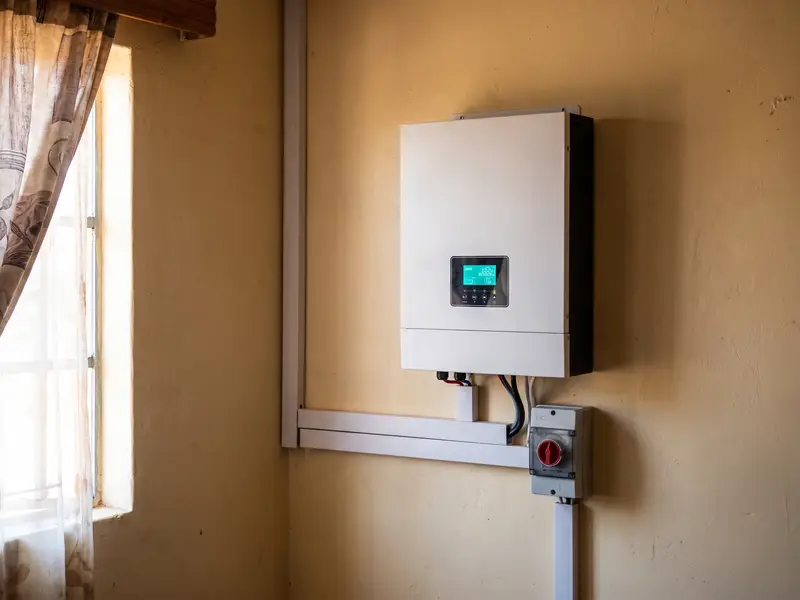
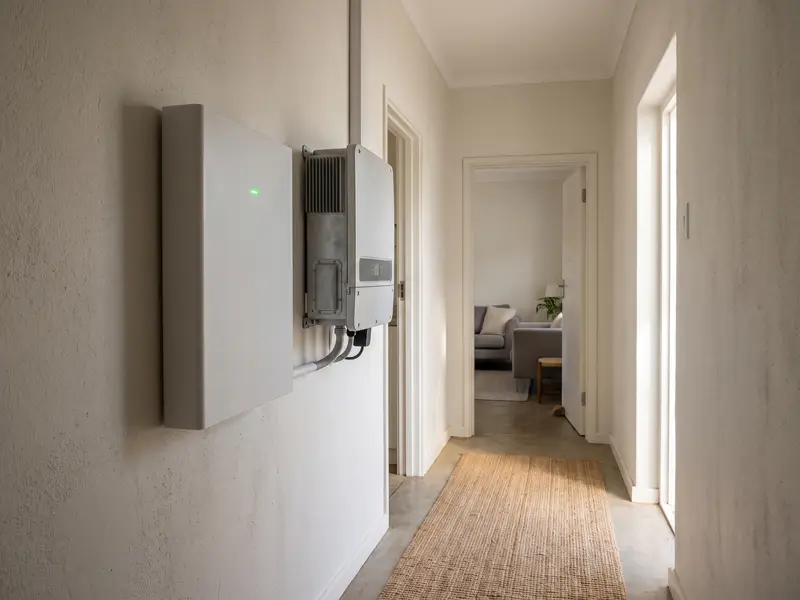
A hybrid inverter does the work of three boxes: an inverter (DC to AC), a solar charge controller (usually MPPT) and a battery charger from the grid. During the day it runs your house from the panels and charges the battery. At night it runs from the battery. When the battery is low, or the sun is weak, it draws from KPLC. In a blackout it switches to battery and solar, usually fast enough that lights and TVs stay on.
That makes hybrid inverters the usual choice for Kenyan homes and businesses that have KPLC but want lower bills and no more blackouts. See types of solar systems for how hybrid systems compare with off-grid and grid-tie ones.
What to look for in a hybrid solar inverter
- Continuous power (kVA). Big enough for everything that runs at once, with room for start-up surges.
- Battery voltage. 12V or 24V for small units, 48V for 3kVA and above. Higher voltage means thinner cables and less loss.
- Solar input. The maximum panel watts and voltage the MPPT can take. This sets how many panels you can add.
- Lithium support. A lithium or user-defined charging mode, and ideally a communication port (BMS) for lithium solar batteries.
- Pure sine wave output. Essential for fridges, pumps and electronics.
- Priority settings. The ability to set solar first, then battery, then grid, so you use as little KPLC as possible.
- Monitoring. A screen or Wi-Fi app that shows what you produce and use.
- Warranty in Kenya. Who honours it, and where you take the unit if it fails.
Solar hybrid inverter price in Kenya
Approximate prices:
- 1kVA hybrid: typically about KSh 19,800
- 1.5kVA hybrid: typically about KSh 24,500
- 2kVA hybrid: typically about KSh 34,000
- 3kVA hybrid: typically about KSh 52,800
- 5 to 6kVA hybrid: typically about KSh 90,000
- 8 to 12kVA hybrid: typically about KSh 195,000
Ranges are wide. A 5 to 6kVA hybrid can cost from about KSh 36,500 for an unbranded unit to about KSh 285,000 for a Victron, and some sellers ask as much as KSh 450,000. Compare all inverter types on our solar inverter prices page.
Pairing a hybrid inverter with batteries
The battery bank must match the inverter's voltage. A 48V hybrid inverter needs a 48V lithium pack, or four 12V lead-acid batteries in series. Many 3kVA to 6kVA hybrids are paired with a lithium pack of about 5kWh, which typically sells for about KSh 110,000.
Set the inverter's charging profile for the exact battery type. A lithium battery on a lead-acid setting, or the other way round, will be damaged over time.
Who should install it
Hybrid and grid-connected systems fall under EPRA's top technician class, T3, under Kenya's solar regulations. A C1 contractor licence requires the company to be, or employ, a T3 technician. A hybrid inverter wired wrongly can back-feed into KPLC lines, which is dangerous for line workers.
Below are companies on our directory that list solar inverters. You can also see a brand-side view on Felicity Solar, or send one request for up to 3 quotes.