The three types of solar systems in one minute
- Off-grid: solar panels charge batteries, and the house runs only on solar. No KPLC connection.
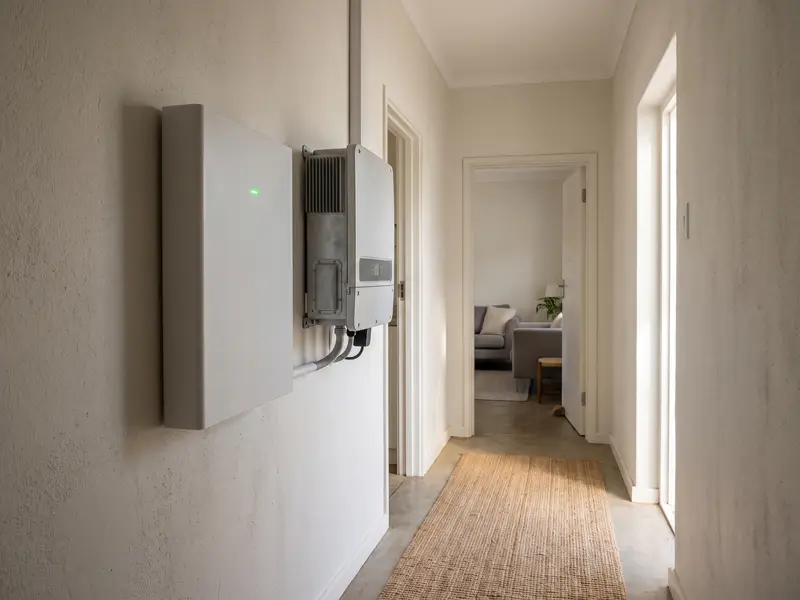
- Hybrid: solar, batteries and KPLC all connected to one hybrid inverter. Solar is used first, the battery covers the evening and outages, and KPLC fills the gaps.
- Grid-tied: panels and a grid-tie inverter feed your house during the day, with KPLC covering the rest. No batteries.
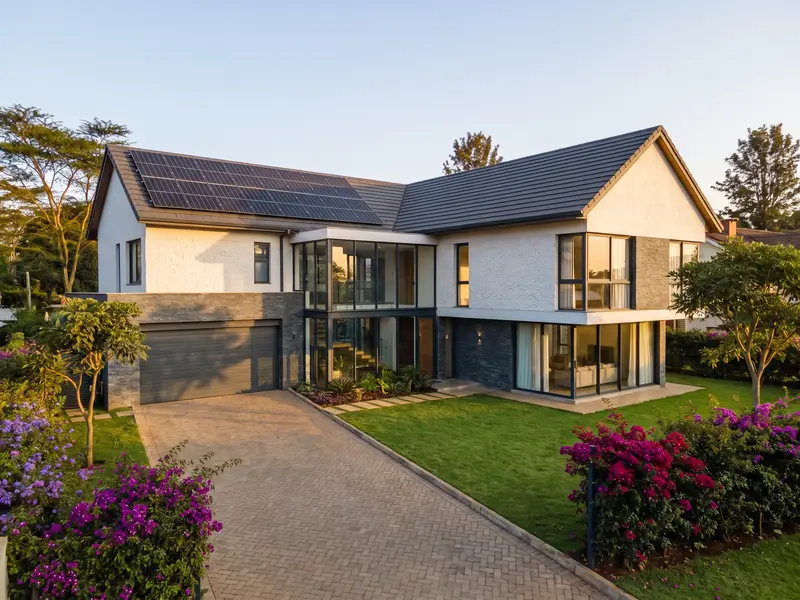
Most homes and businesses in Kenyan towns choose hybrid. Off-grid suits places where KPLC is far away or very unreliable. Grid-tied suits businesses that use most of their power in daylight.
Components of a solar system
Every solar system is built from the same family of parts, in different combinations:
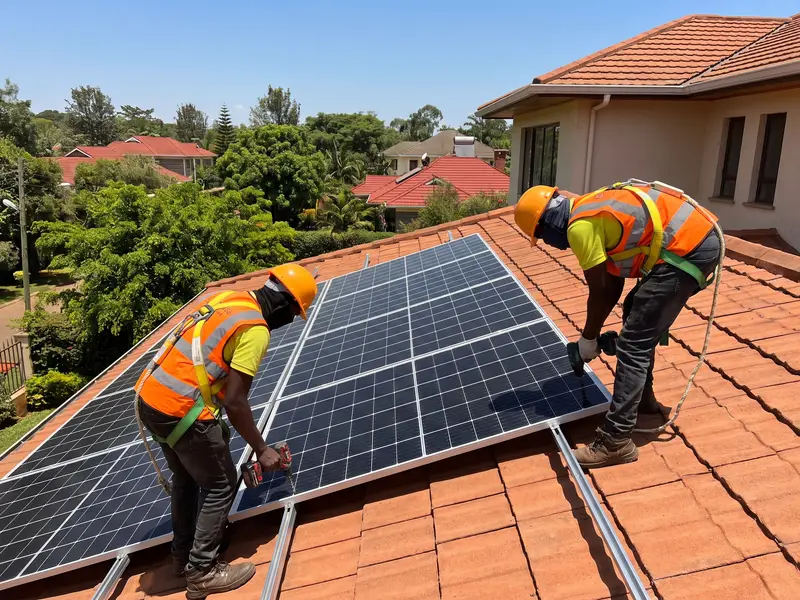
- Solar panels: make DC power from sunlight.
- Inverter: turns DC into 240V AC. Off-grid, hybrid and grid-tie inverters behave differently.
- Charge controller: charges the battery safely. Built into most hybrid inverters; separate in many small DC systems.
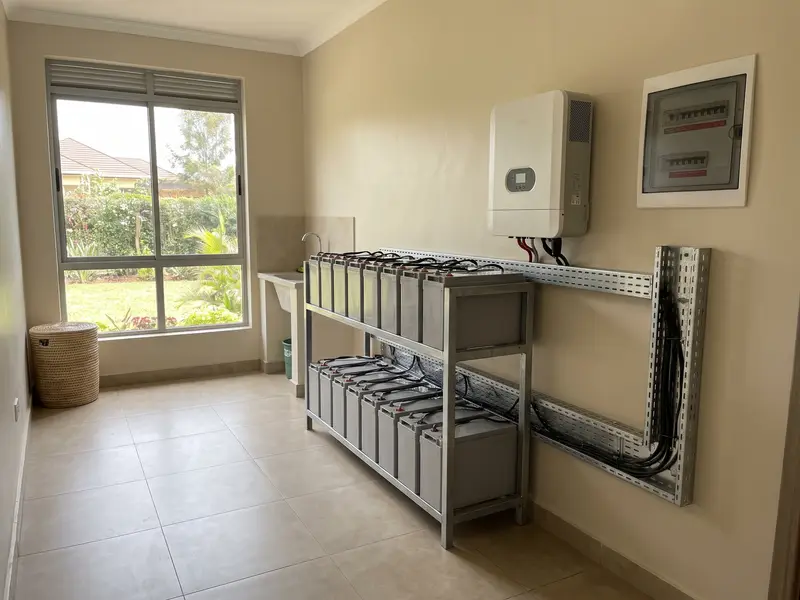
- Battery bank: lead-acid, gel or lithium. Not used in grid-tied systems.
- Protection: DC and AC breakers, fuses, surge protection devices and earthing.
- Mounting and cables: rails, clamps and correctly sized solar cable.
- Changeover or transfer switch in some backup systems, to move loads between KPLC and the inverter.
See solar batteries and hybrid solar inverters for the two most expensive parts.
Hybrid solar power systems
A hybrid system uses one inverter that manages three sources: panels, battery and KPLC. During the day it runs the house from solar and charges the battery. In the evening it draws from the battery. When the battery is low, or during heavy loads, it pulls from KPLC. When KPLC goes off, it keeps the house running from the battery, usually so fast that lights do not flicker.
Hybrids are the most flexible type and the most common in Kenyan towns. They cost more than grid-tied systems because of the battery. Many hybrid inverters let you set priorities, such as solar first, battery second, KPLC last, which is how you cut the bill.
Off-grid solar power systems in Kenya
Off-grid solar in Kenya powers homes, schools, clinics and farms far from the grid, and holiday homes where a KPLC connection would cost more than the system. Everything depends on the battery, so it must be sized for the longest stretch of cloudy days you want to cover.
Off-grid systems range from a single-panel lighting kit to a full 5kVA or larger system. A backup generator is sometimes added for long cloudy spells. Because there is no grid to fall back on, careful sizing matters more than in any other type: our solar calculator is a good start.
Grid-tied solar systems
A grid-tied system has panels and a grid-tie inverter, and no battery. It is the cheapest way to make solar power, and it works best for businesses that use most of their power during the day: offices, shops, factories and schools.
The catch is outages. For safety, a grid-tie inverter shuts down when KPLC goes off, so you have no solar power during a blackout unless the system also has a battery. Whether you can export surplus power to the grid is a question to ask KPLC and your installer before you size the system.
Which type needs which installer licence
EPRA licenses solar technicians by the size and type of system they may install:
- T1: small systems or a single battery DC system up to 100Wp.
- T2: medium systems or multiple batteries, which may include an inverter.
- T3: advanced systems, including grid connected and hybrid systems.
A company with a C1 contractor licence must be, or employ, a T3 technician. So for a hybrid or grid-tied system, ask for a C1 company or a T3 technician. Our EPRA solar licence guide explains every class.