What it costs
| Size / type | Typical price | Range |
|---|---|---|
| solar dryers / cookers | KSh 122,500 | 19,999 – 175,000 |
Prices are approximate and vary by brand and seller.
How a solar dryer works
A solar dryer traps the sun's heat and moves warm, dry air over the crop.
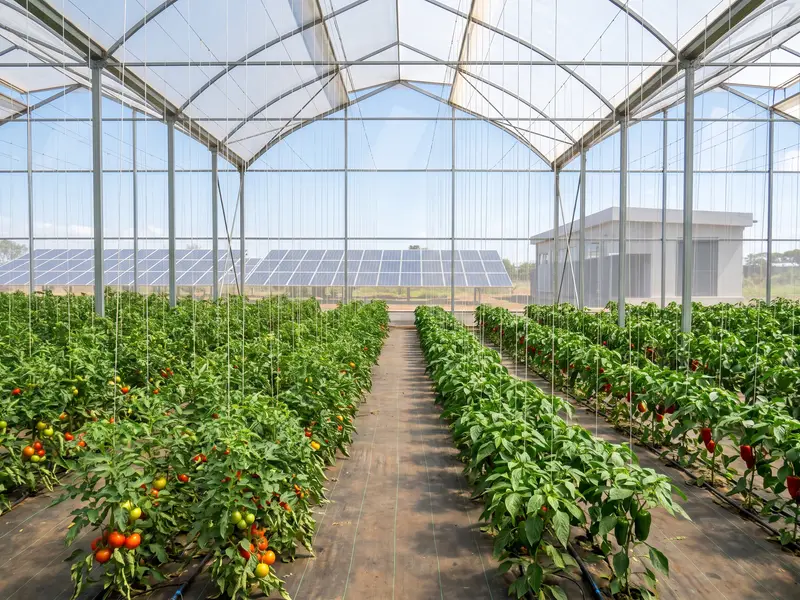
- Greenhouse or tunnel dryers. A walk-in frame covered with UV-resistant plastic, with racks inside. Air comes in low, warms up and leaves through vents at the top. Common for farmer groups and small processors.
- Cabinet dryers (solar dehydrators). A box with trays and a dark collector that heats the air. Good for a household or small batches.
- Dryers with fans. A small solar panel runs fans that pull air through faster, for quicker and more even drying.
Compared with spreading crops on the ground or on a roof, a dryer keeps out dust, rain, insects, birds and animals, and dries faster. Dried produce looks better and keeps longer, which matters when you sell it.
What a solar dryer costs in Kenya
A walk-in greenhouse dryer costs roughly KSh 150,000 to KSh 175,000; at the top of that range, expect a dryer of about 3 by 3 metres and 2 metres high. Small cabinet dryers cost much less, and prices vary a lot.
The cost depends on size, the cover material, the racks (wooden or stainless), and whether fans and a panel are included. Many groups build their own cabinet dryers from local materials. For a group or business dryer, ask suppliers for quotes with the drying capacity stated in kilos per batch.
Solar drying vegetables, fruits and other produce
Solar dryers are used across Kenya for:
- Fruits: mangoes, pineapples, bananas.
- Vegetables: sukuma wiki, cowpea leaves, tomatoes, onions.
- Grains and roots: maize, beans, cassava, sweet potato chips.
- Fish and herbs: omena, moringa, spices.
Slice produce evenly and thinly. Do not overload the racks: air must move between pieces. Bring trays in or close the dryer at night so the crop does not take back moisture. Check the moisture level before storing; grain stored damp can grow mould.
Solar milling machines and posho mills
A posho mill turns maize and other grains into flour. Diesel and grid mills are common, but solar mills are now sold too.
What to know before you buy:
- Mills are a heavy load. Posho mill motors are often several kilowatts. Running one on solar needs a large panel array and an inverter rated well above the motor's starting power.
- Run by day, skip the battery. The cheapest way is often to mill only when the sun is up, running the motor from the panels with a suitable drive. This is the same idea as a solar pumping inverter (VFD), which runs ordinary AC pump motors from panels; those typically sell for about KSh 102,000. Ask an installer whether such a drive suits your mill.
- Smaller solar mills made for farms and villages exist, some designed to run straight from panels.
We did not find published prices for solar posho mills or for named solar mill brands in Kenya. Ask for quotes stating the mill's capacity in kilos per hour, the motor size and the number of panels.
Power the whole farm on solar
A dryer, a mill, an incubator and a water pump can often share one well-designed system, or each run directly from its own panels. Start with the biggest load and the hours you need it.
See solar water pumps, solar irrigation and solar incubators for the other farm uses, and commercial solar for larger processing units. One request on this site reaches up to 3 installers who work in your area.