How a solar electric fence works
An electric fence has four main parts:
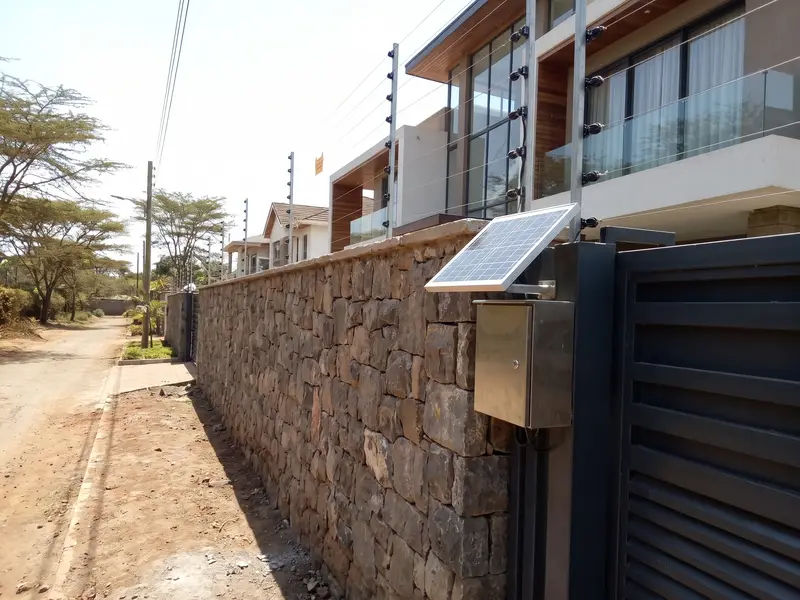
- The energiser. A box that sends a short, sharp pulse down the fence wire about once a second. The shock is painful but, from a proper energiser, not dangerous.
- The fence. Wires on posts or on top of a wall, held off the posts by insulators.
- The earth. Metal rods driven into the ground. When someone touches the wire, the pulse runs through them to the ground and back to the energiser. A poor earth means a weak shock.
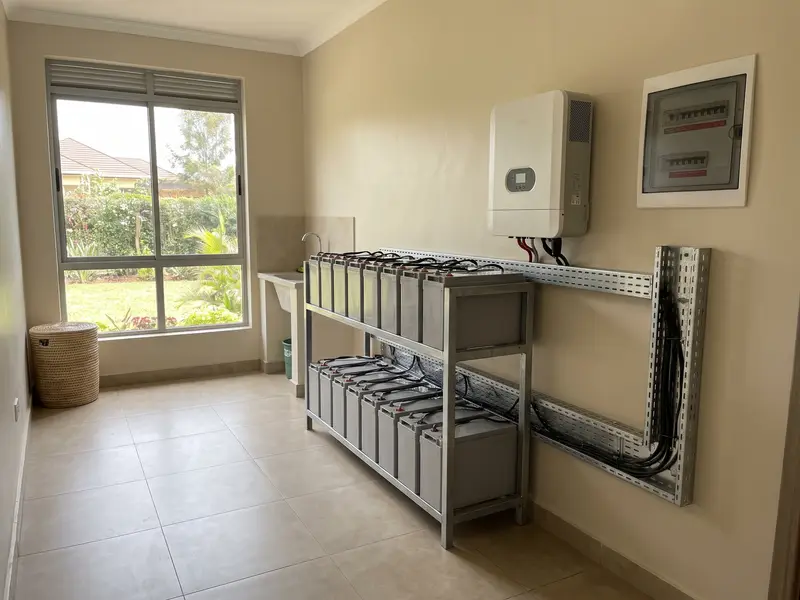
- The power. On a solar fence, a panel charges a battery through a charge controller, and the battery runs the energiser day and night.
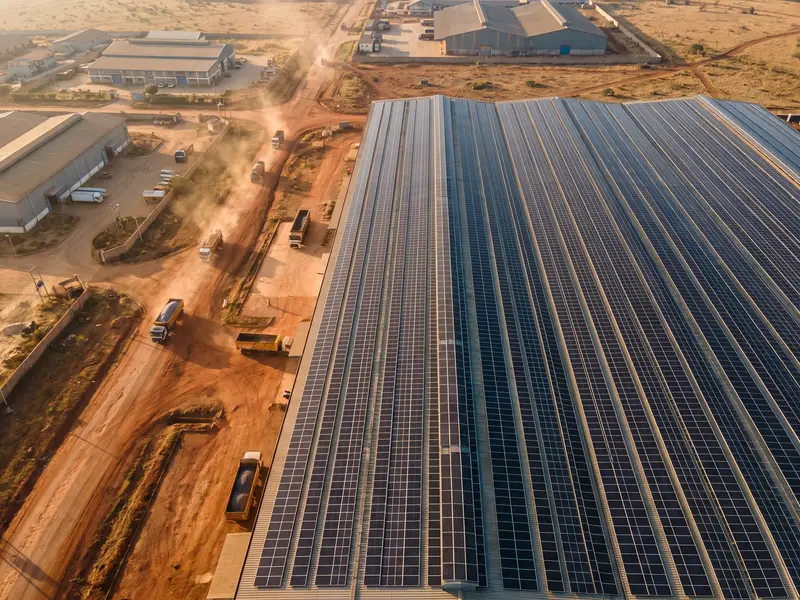
Most energisers draw little power, so the solar part is usually small. That makes solar a natural fit for farms, plots and homes far from the grid.
Sizing the energiser, panel and battery
- Energiser. Rated in joules and by the length of fence it can power. Long fences, many strands and grass or bush touching the wires all need a stronger energiser.
- Battery. A 12V deep-cycle battery is common. It should run the energiser for several days without sun, so the fence stays live through the long rains.
- Panel. Big enough to recharge the battery in a normal day, with spare for cloudy spells.
Your installer should work these out from the energiser's real power draw, not from a guess. For a sense of the solar part's cost, a 100W panel typically sells for about KSh 3,400 and a 100Ah lead-acid or gel battery for about KSh 8,500. See solar batteries for more on battery types.
What decides the cost of a solar electric fence
The price of an installed electric fence varies a lot from job to job. The main drivers are:
- Length of the perimeter. The biggest single factor.
- Wall-top or free-standing. A fence on top of an existing wall needs short brackets; a free-standing fence needs posts the whole way.
- Number of strands and height. More strands keep out more, and cost more.
- Gates. Each gate needs its own wiring and switches.
- Alarm and alerts. A siren, or a GSM module that texts you when the fence is cut or shorted.
- Energiser brand and size.
- Ground conditions for the earth rods.
Ask each installer for an itemised quote showing these lines, so you can compare like with like.
Keeping the fence working
- Clear vegetation from under and around the wires. Grass touching the wire drains the pulse.
- Check the earth rods in the dry season, when dry ground earths poorly.
- Clean the panel and check the battery every few months.
- Test the voltage on the line with a fence tester, and fix weak spots before they become gaps.
A well-kept solar fence can run for years. Batteries are the part that wears out and need replacing from time to time.
Fence, lights and cameras together
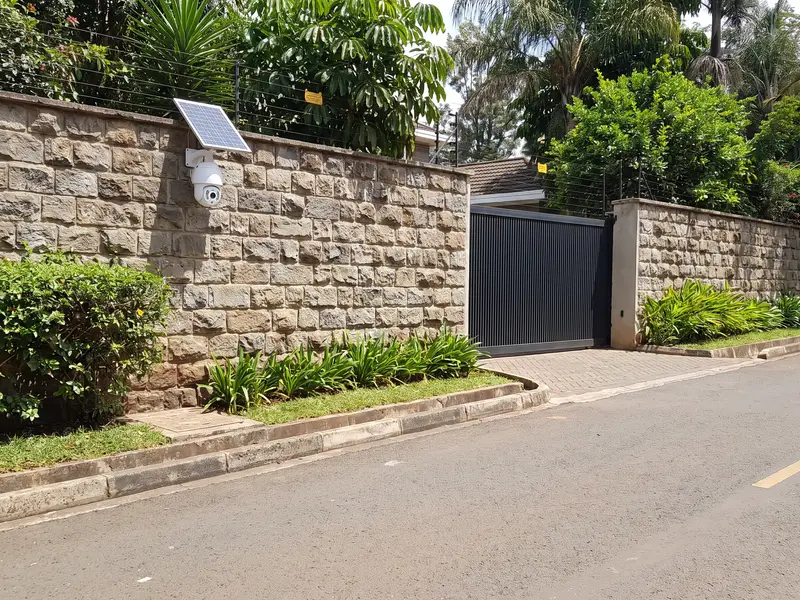
An electric fence keeps people out. Solar security lights and solar CCTV cameras let you see who tries. An installer can power all three from one panel and battery set, or keep the fence on its own supply so it stays live even if the rest fails.
If the solar part of the job is significant, you can ask whether the company holds an EPRA solar licence. Our directory shows the licence class for each company we found on the register. See solar installation for what a good solar job looks like.