What it costs
| Size / type | Typical price | Range |
|---|---|---|
| power station <700Wh | KSh 37,000 | 16,899 – 68,000 |
| power station ~1kWh | KSh 38,075 | 26,500 – 106,499 |
| power station 1.5-2kWh+ | KSh 92,250 | 47,500 – 850,000 |
| power stations (capacity n/s) | KSh 59,500 | 10,000 – 463,900 |
Power station only; many do not include a solar panel. Capacity is the battery size in watt-hours (Wh). Prices are approximate and vary by brand and seller.
What a solar generator costs in Kenya
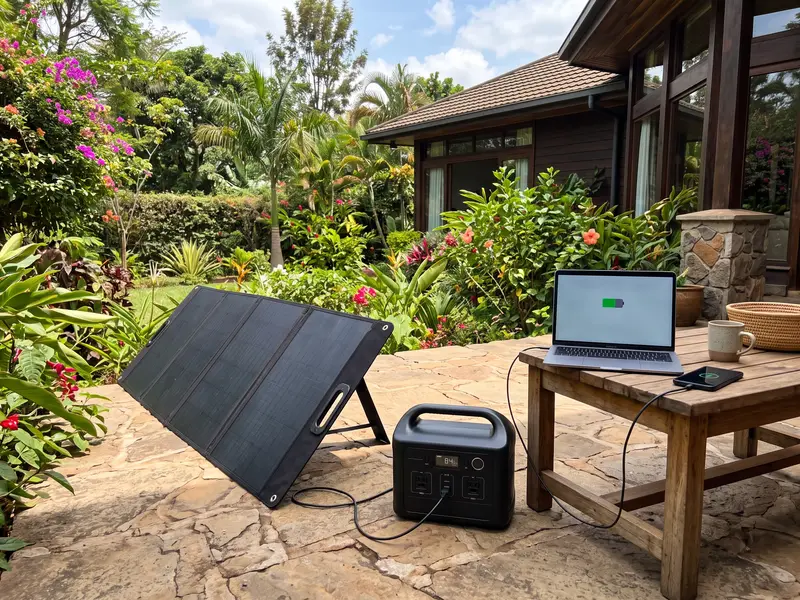
A portable power station of under 700Wh typically sells for about KSh 37,000. Units of about 1kWh are typically only a little more, about KSh 38,000, but range from about KSh 26,500 to KSh 106,500. Units of 1.5–2kWh and more are typically about KSh 92,000.
Brand and capacity drive the price. International brands such as EcoFlow, Bluetti and Anker sit at the top; lesser-known brands cost less for the same capacity. Check whether a panel is included: many are sold as the box alone. For model-by-model figures, see our guides to EcoFlow River and Delta prices and the Bluetti EB3A, AC70P and AC180P.
One example with a published plan: Sun King's PowerPlay Pro (800Wh lithium battery, 600W inverter and a 450W panel) is about KSh 87,500 upfront, and is sometimes on sale for about KSh 56,500. Sun King's published plan is KSh 8,750 down, then KSh 1,320 a week for 78 weeks. In total you pay about KSh 111,700. Plans change, so confirm the terms before you pay.
What a solar power station can run
Two numbers matter:
- Capacity (Wh) is how much energy it stores. A 1,000Wh unit can run a 100W load for roughly 8–9 hours once losses are counted.
- Inverter rating (W) is the most it can supply at once. A 600W inverter cannot start a 1,500W iron box, however full the battery.
As a rough guide, a 1kWh power station handles lights, phone and laptop charging, a WiFi router, a TV and a fan for an evening. It will not run an iron box, a kettle or a water heater for long, if at all. A fridge can run for some hours on a larger unit, but not day and night on a small one.
To refill it from the sun, you need a panel big enough for your daily use. Our page on solar panel sizes explains what each size gives.
Solar phone chargers and battery chargers
A solar mobile charger is a small folding panel with a USB port that charges a phone directly. A 10W to 20W panel in full sun charges a phone in a few hours, but output drops sharply in cloud or shade, so it suits trips and places without power more than daily use. Phone charger prices vary a lot by brand and panel size.
A solar battery charger usually means a panel with a charge controller that tops up a 12V battery, for a car, boat or a small lighting setup. See solar batteries.
Solar power banks: what to check before you buy
A solar power bank is a phone-sized battery with a small solar panel on its face. It is handy as a backup, but the panel is tiny: filling a 20,000mAh bank from the sun alone can take several days of full sun. Charge it from a socket when you can and treat the panel as a top-up.
Before you buy:
- Convert mAh to Wh. Multiply the mAh by 3.7 and divide by 1,000. A 20,000mAh bank holds about 74Wh, enough to charge a typical phone about 4 times.
- Distrust huge figures. Cheap banks claiming 50,000mAh or more in a slim case are often overstated. Weight is a good clue.
- Check the output. A USB-C port of 20W or more charges a modern phone quickly; laptops need 45W or more.
If you need to keep a router, lights and a laptop going through a blackout, a power bank is too small. Step up to a portable power station of 250Wh or more.
Powerness solar generators
Powerness is a brand name you will see on portable solar generators in Kenya. These are usually all-in-one boxes with a battery, an inverter, AC and USB sockets and sometimes built-in lights, often sold with a separate solar panel. They are generally aimed at lights, phone charging, a radio and a small TV rather than heavy appliances. Prices vary by model and panel size.
Judge a Powerness unit the same way as any other solar generator: look for the battery capacity in Wh, the continuous output in watts, the battery type (LiFePO4 lasts longest) and a written warranty from the seller. Then compare it with similar-sized units on our power station buyer's guide.
Solar laptop charger options in Kenya
A laptop needs more power than a phone, often 45–65W while charging. You have three options:
- A power station with a USB-C port of 60W or more, or an AC socket for your normal charger.
- A larger home lighting kit with USB-C. Sun King's HomePlus Max kit, for example, lists a 65W USB-C port.
- A home solar system with an inverter, which charges a laptop from an ordinary socket.
Check your laptop charger's wattage before buying. A USB-C port weaker than your charger will charge slowly or not at all.
Power station or home solar system?
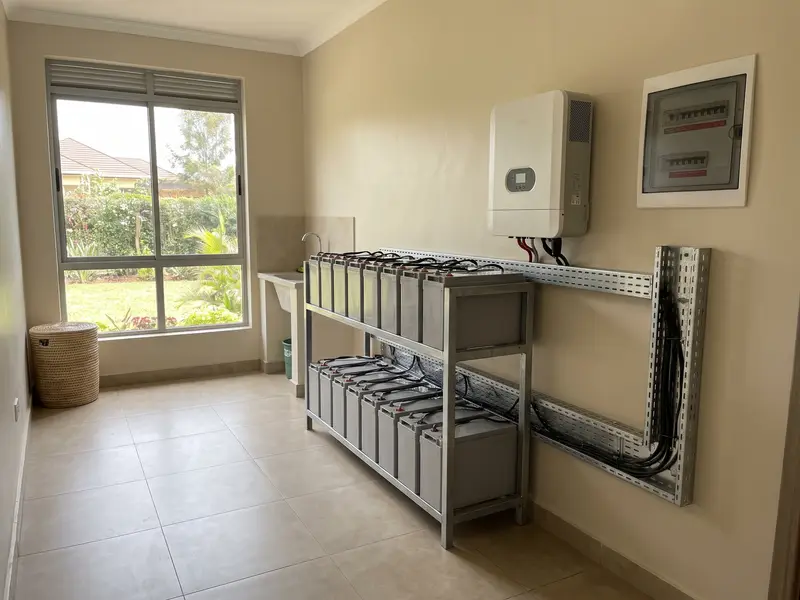
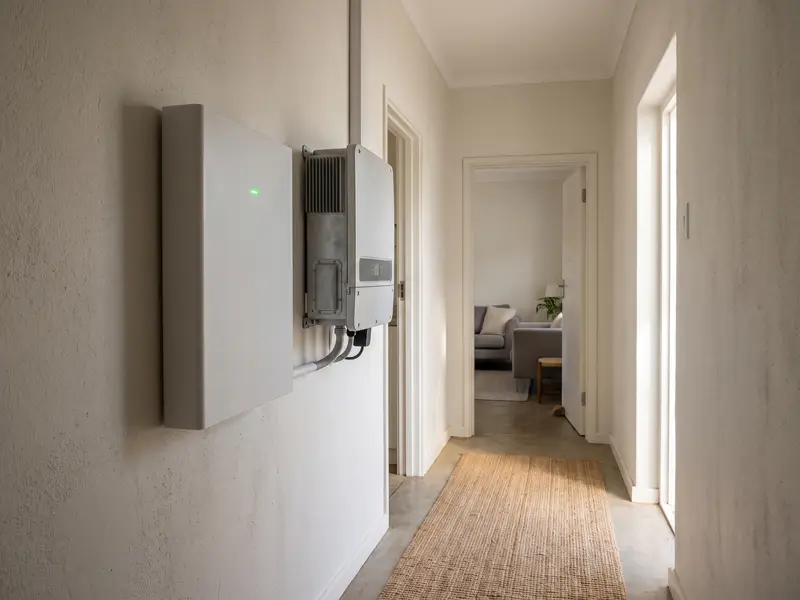
A power station is convenient: no installation, you can carry it to the shamba, and it works in a rental house. But you pay for that convenience. A power station of 1.5–2kWh typically costs about KSh 92,000, while a fixed lithium battery of about 5kWh typically costs about KSh 110,000. The fixed battery stores more than twice as much for about a fifth more money, though it also needs an inverter, panels and an installer.
If you want power for the whole house every day, a fixed home solar system with a lithium battery is usually better value. A power station suits renters, backup for a few devices, and people on the move.