How solar power works
There are two main ways to use the sun's energy.
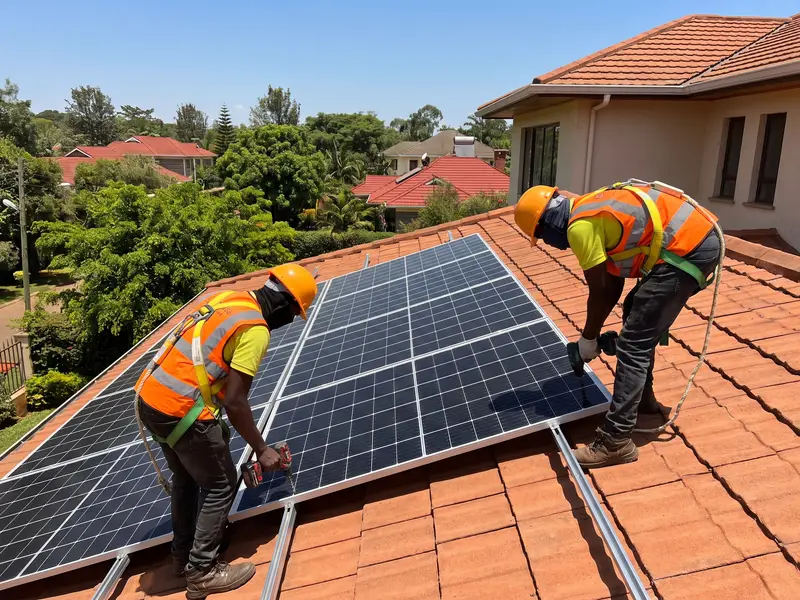
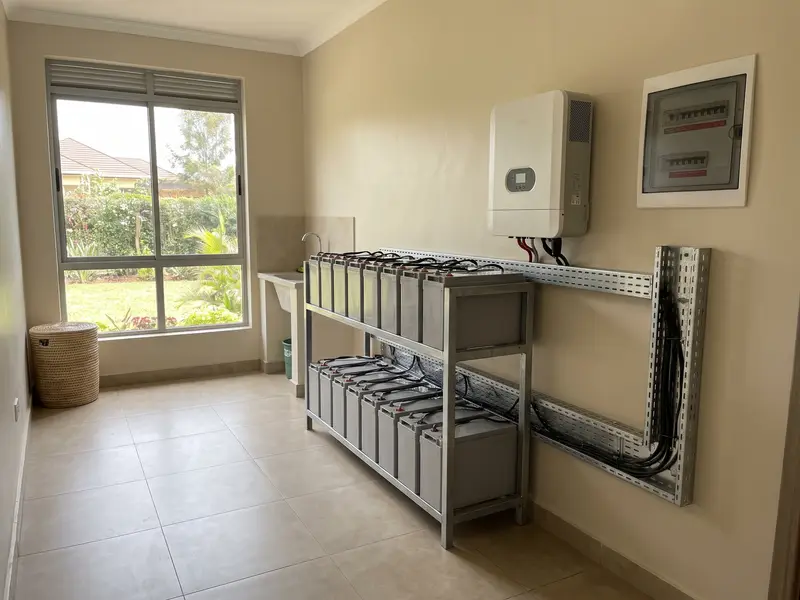
Solar photovoltaic (PV) panels are made of silicon cells. When light hits a cell, it knocks electrons loose and creates a direct current (DC). Panels are wired together, a charge controller manages charging, batteries store energy for the night, and an inverter turns DC into the 240V AC that household appliances use.
Solar thermal uses the sun's heat directly. A solar water heater on the roof heats water in tubes or a flat panel and stores it in an insulated tank. It does not make electricity.
Systems come in three main types: off-grid (batteries, no KPLC), grid-tied (feeds your home alongside KPLC, usually no batteries) and hybrid (both, with batteries for blackouts). Our guide to types of solar systems explains which suits whom.
Pros and cons of solar energy
Advantages
- Free fuel. Once installed, the sun costs nothing, and most of Kenya gets strong sun all year.
- Power where the grid does not reach, or where it is unreliable.
- Low running costs. Panels have no moving parts and need little more than cleaning.
- Quiet and clean, with no fumes, unlike a diesel generator.
- Scales from a lantern to a factory roof.
Disadvantages
- High upfront cost for larger systems, especially batteries.
- No sun, no power. Output drops on cloudy days and stops at night unless you have batteries.
- Batteries wear out and need replacing, lead-acid sooner than lithium.
- Fake and poor-quality products are common online.
- Poor installation causes most failures. Use an EPRA-licensed installer.
Uses of solar energy in Kenya
Solar electricity is used across Kenya in many ways:
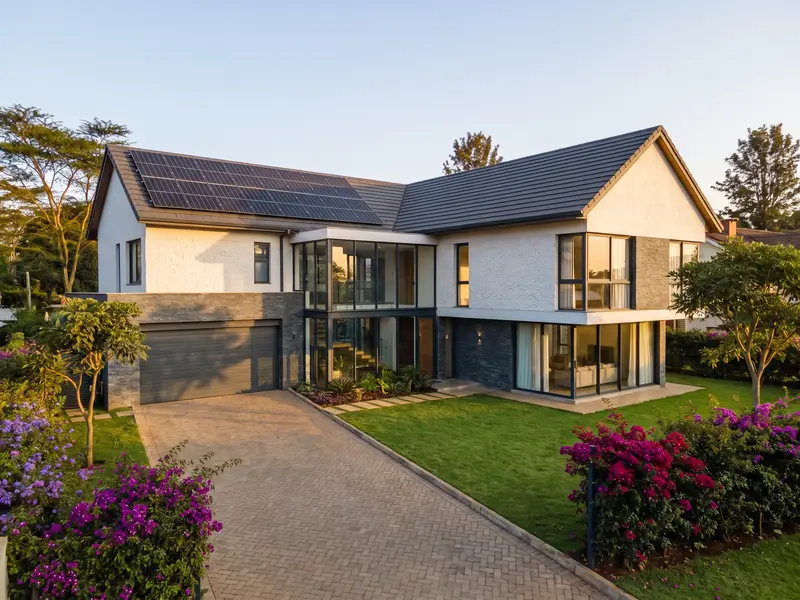
- Homes: lighting, TV, phone charging, fridges and backup during blackouts. See home solar systems.
- Farms: water pumping and irrigation, solar dryers for crops, incubators for poultry, electric fences, and powering milking machines and milk cooling on dairy farms where the system is sized for the motor.
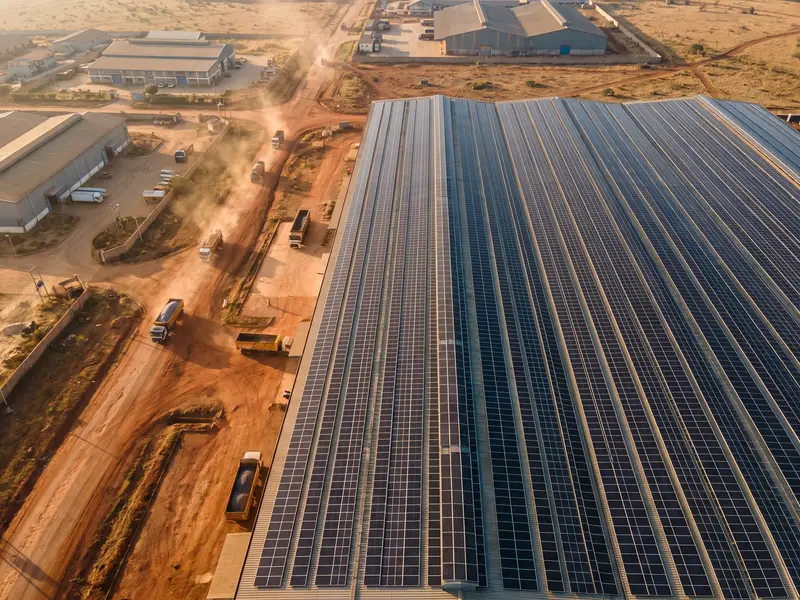
- Businesses: shops, salons, hotels, schools and clinics cut power bills with commercial solar.
- Water heating: solar water heaters on homes, hotels and hostels.
- Public spaces: solar street lights and security lights.
- The national grid: large solar power projects in Kenya feed the grid. Read about solar power plants in Kenya, including Garissa and Malindi.
To see how big a system you need for your own use, try the solar calculator.
The Kenyan solar market
Kenya has a large and busy solar market, from pay-as-you-go lanterns and kits sold to rural homes, to installers fitting systems on homes, farms, factories and offices. The sector is regulated by EPRA, which licenses solar contractors, vendors, importers and technicians.
The EPRA contractor register shows how crowded it is: on 12 October 2026 it listed 1,072 solar PV contractor and vendor licences held by 676 companies. Many more traders sell solar products without a licence to install. For a buyer, that means plenty of choice, but also a real need to check who you are dealing with. This directory matches companies against the EPRA register for exactly that reason. Compare the best solar companies in Kenya.
Starting a solar business in Kenya
If you want to sell or install solar, plan for these steps:
- Choose your lane. Retail of products, installation for homes, commercial installation, pumps and irrigation, or servicing and repair. Each needs different skills and capital.
- Get licensed. Installing solar PV requires an EPRA licence. A company needs a licensed technician: Class T3 for a C1 contractor licence, and at least Class T2 for a V1 vendor or V2 importer licence. Our EPRA solar licence guide lists the classes, fees and requirements.
- Get the tools. EPRA inspects for an earth loop impedance tester, an insulation resistance tester, an earth resistance tester and a clamp meter.
- Find reliable suppliers. Buy from importers who give datasheets and warranties. Your name is on every system you install.
- Build trust. Show your licence number, keep photos of finished work and give each client a wiring diagram and warranty card.
Licensed installers can list their company on this directory to receive quote requests.
Kenya solar expos and trade shows
Solar and energy trade shows are held in Kenya, where suppliers, importers and installers show products and meet buyers. Dates and venues change from year to year, so check the organisers' own websites for current details before you plan a visit. Treat any exhibitor like any other supplier: ask for its EPRA licence and product datasheets.